Proudly Singaporean
Ultimate Guide for Choosing a Dog Bed
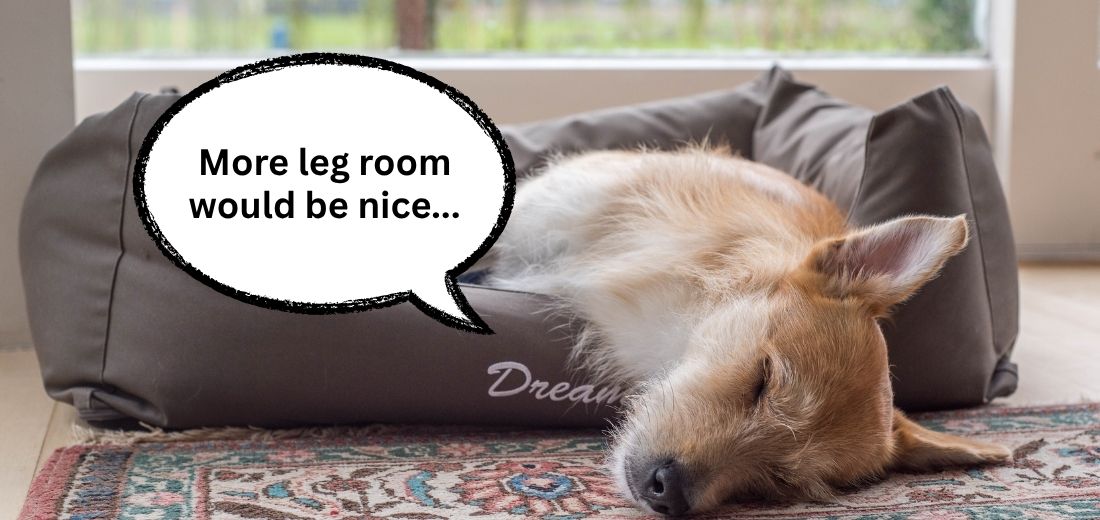
Picking a dog bed in Singapore sounds simple until you’re standing in front of forty options online that are half claiming to be orthopedic, cooling, and machine washable at once.
Some of that holds up but a lot of it is just marketing copy stretched over a foam block. This guide walks through what actually matters when picking one for a specific dog, not whichever photo looks nicest on a listing page.
Why the Right Dog Bed Matters
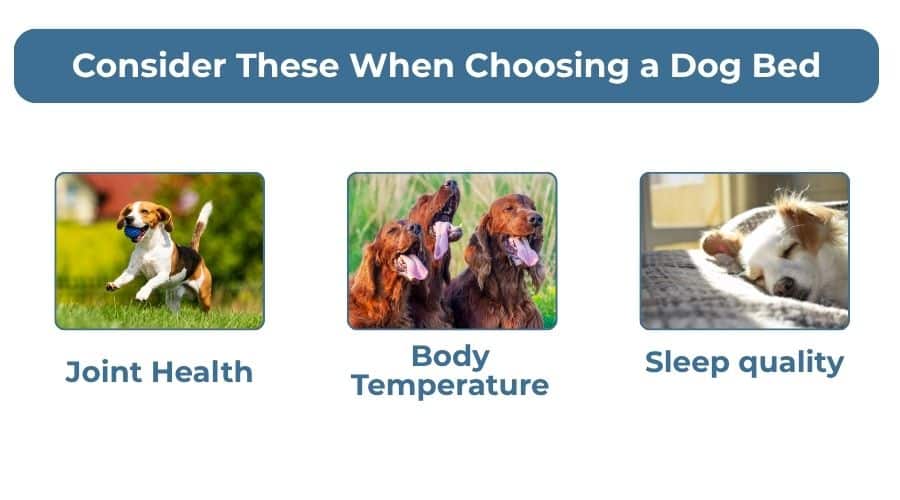
A bed does more than give a dog somewhere to flop down. It plays into joint health, body temperature, and sleep, and all three build on each other over a dog’s life.
Arthritis and hip dysplasia show up often in dogs, especially with age or extra weight. Cushioning spreads that weight out. A hip or elbow resting directly on a hard floor takes on far more pressure than one sinking into supportive foam.
Experts point to supportive bedding as one piece of managing joint conditions in dogs. No dog pushes through joint pain on willpower alone.
Body temperature works the same way. Dogs cool down mainly by panting, not sweating. Dog panting loses effectiveness once humidity climbs, and that describes most Singapore afternoons pretty well. So, a bed that holds heat fights against a dog’s own cooling system.
Sleep also gets overlooked more than either of those. A 2022 study tracked over 1,300 dogs and found that both short sleep (under 8 hours) and long sleep (over 10 hours) lined up with worse behaviour problems. This means that a comfortable spot to sleep feeds into that pattern more than most owners assume.
Types of Dog Beds and Which One Fits Your Dog
Most guides stop at donut beds and memory foam. That barely scratches what’s out there, and picking the wrong shape wastes money no matter how good the fill material is.
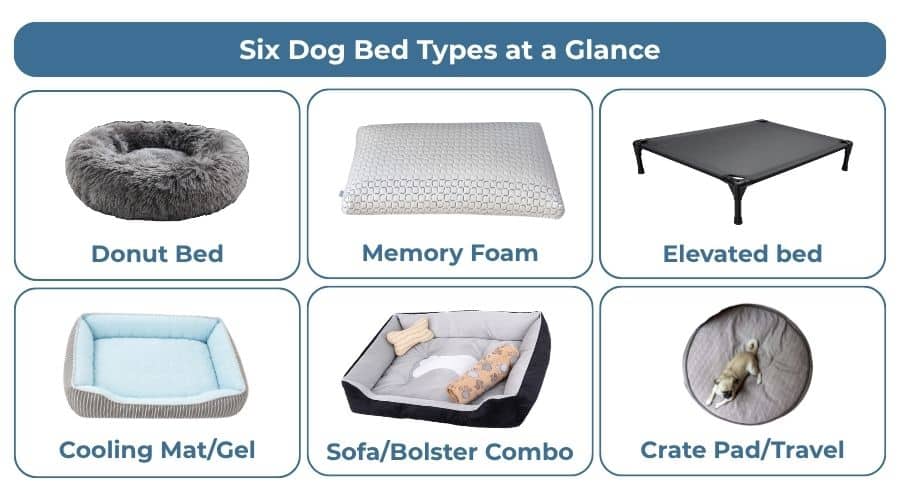
Donut Beds
Raised, cushioned edges wrap around a soft centre, built for dogs that curl into a tight ball at bedtime.
The rim gives a dog something to lean a head or back against, and plenty of dogs actively seek that out, small or anxious breeds especially.
These beds run warmer than flatter designs because of the extra padding, so an air conditioned room suits them better than an open balcony.
Memory Foam and Orthopedic Beds
A dense foam core sits at the centre of these beds, shaping itself around a dog’s weight and spreading pressure evenly through the joints instead of letting it pool at contact points.
Large breeds, senior dogs, and dogs healing from injury or surgery get the most out of this design.
A cheap foam substitute can look identical in a product photo but flattens within weeks. Checking foam density matters here more than trusting the word orthopedic printed on a listing.
Elevated Beds
A frame holds a taut mesh or fabric surface, lifting a dog’s body fully off the floor.
Air moves above and below the dog at once, pulling heat away through the paw pads and belly, spots that get almost no benefit from a flat bed pressed against tile.
These hold up well outdoors or on a balcony too, since mesh sheds moisture faster than fabric cushions.
Cooling Mats and Gel Pads
A thinner mat built around pressure activated gel or specialised cooling fabric, cool to the touch without needing a freezer or a power outlet.
Dogs who already gravitate toward bare tile tend to take to these fast, landing somewhere between a padded bed and cold floor.
Plushness gets traded for temperature control here, so a dog that likes burrowing into something soft might walk right past one.
Sofa Style and Bolster Combination Beds
Some beds pair a flat mattress base with bolstered sides on two or three edges, skipping the fourth entirely. A dog gets a spot to rest a head without being boxed in on every side.
This shape works well for a dog moving on from a puppy donut bed into something roomier as an adult.
Crate Pads and Travel Mats
Thin, foldable padding built to fit inside a crate or carrier, not meant to double as a dog’s main bed.
Portability and easy washing matter more here than cushioning depth, which tracks given how rarely these serve as a sole sleeping spot.
How to Measure and Size a Dog Bed Correctly
A bed too small gets ignored. A bed too large eats up floor space without adding comfort. Getting size right starts with watching how a dog actually sleeps, not just measuring how tall the dog stands.
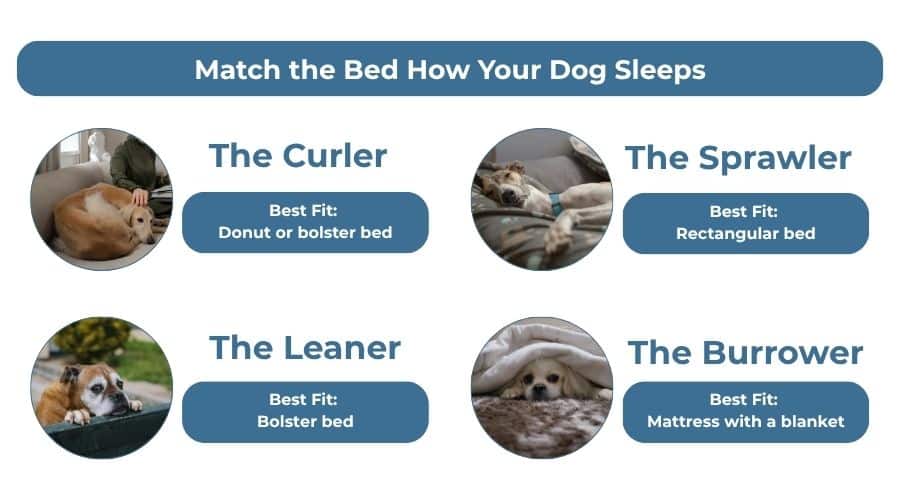
Dogs generally fall into a handful of sleeping styles.
- Curlers tuck into a tight ball, nose near the tail, and do well with a donut or bolstered bed sized close to that curled shape
- Sprawlers stretch out fully on one side, needing a rectangular bed roughly one and a half times nose to tail length so limbs don’t hang off the edge
- Leaners rest against a wall, bolster, or piece of furniture, and settle fine on any bed with at least one raised edge
- Burrowers dig and nest before lying down, tearing through delicate donut beds fast, and tend to do better with a blanket layered over a flat mattress
Measure a dog lying on one side, nose to the base of the tail, then add a few inches of buffer space. Most listings include a size chart tied to weight, but weight alone misleads for long bodied breeds like dachshunds or corgis.
Cross check against the actual length measurement whenever the option exists. Or you could just follow this guide below:
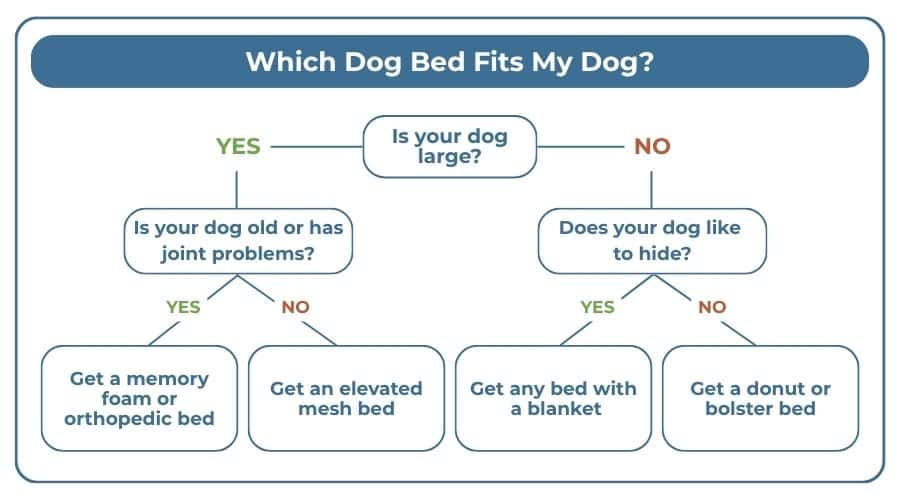
A Deep Dive to the Different Dog Bed Materials
Fabric and filling decide how a bed feels, how long it lasts, and how much upkeep it demands. None of the common materials wins across every category, so the right pick depends on what a specific dog and household actually need.
Cotton Material
Cotton covers show up on a lot of budget and mid-range beds, and there’s a reason owners keep gravitating toward them. However, while the material offers excellent comfort, it requires specific care depending on your environment.

- The Benefits: Cotton is naturally breathable against skin, soft enough that most dogs settle onto it without hesitation, and it rarely triggers the kind of skin irritation that synthetic blends sometimes cause.
- The Climate Tradeoff: The downside shows up fast in humid climates. Cotton easily soaks up moisture, and it holds onto that dampness much longer than synthetic alternatives.
- Best Use Cases: A cotton cover left even slightly damp after a wash can start smelling within a day or two. Because of this, it is a much better fit for drier households or for beds that get washed and fully sun-dried on a regular schedule.
Memory Foam
Memory foam sits at the premium end for good reason. It contours to a dog’s exact body shape instead of pushing back against it, which is why it does so much for joint pain and pressure relief.

- Long-Lasting Support: A well-made memory foam core holds its shape for years. It will not collapse into a flat pancake the way cheaper fillings do after just a few months.
- The Heat Catch: The high foam density that makes it so supportive also traps warmth against a dog’s body. Without a cooling layer or an air-conditioned room, a heat-sensitive dog might avoid the bed entirely once the afternoon warms up.
- Price Versus Quality: Cost climbs quickly with this material. High-density foam that actually lasts costs noticeably more than the thin, low-density foam some sellers use just to put a medical label on a listing.
Polyester Fiberfill
Polyester fiberfill sits at the opposite end of the price and durability scale. It is cheap, light enough to move or shake out easily, and dries faster than almost anything else on this list.

- Accident-Friendly: The fast drying time matters a lot for households dealing with regular spills or accidents.
- The Compression Downside: The major disadvantage is that fiberfill compresses under repeated weight. It stops springing back after a few months of daily use, especially under a heavier dog.
- Best Practical Uses: It works well as a starter bed, a travel option, or a low-stakes purchase for a dog that has not shown any joint issues yet. However, it is not built to be a long-term investment.
Kapok Fibre
Kapok fibre gets less attention than the materials above, mostly because fewer sellers carry it, but it deserves a mention. It is a natural fibre that breathes well and naturally resists moisture better than polyester.

- Climate Advantage: Its resistance to moisture makes it a reasonable middle ground for a humid climate without the premium price tag of memory foam.
- The Availability Tradeoff: The main downside is sourcing. Replacement fill can be very hard to track down locally if you need to top up the bed.
- Pricing Realities: Beds using kapok tend to sit at a higher price point than a comparable polyester option simply because the raw material itself costs more to source
Gel-Infused Foam
Gel-infused foam tries to solve memory foam’s biggest weakness directly. A layer of cooling gel gets built into or layered over the foam core, keeping the surface noticeably cooler to the touch than standard memory foam while still offering the same pressure relief underneath.
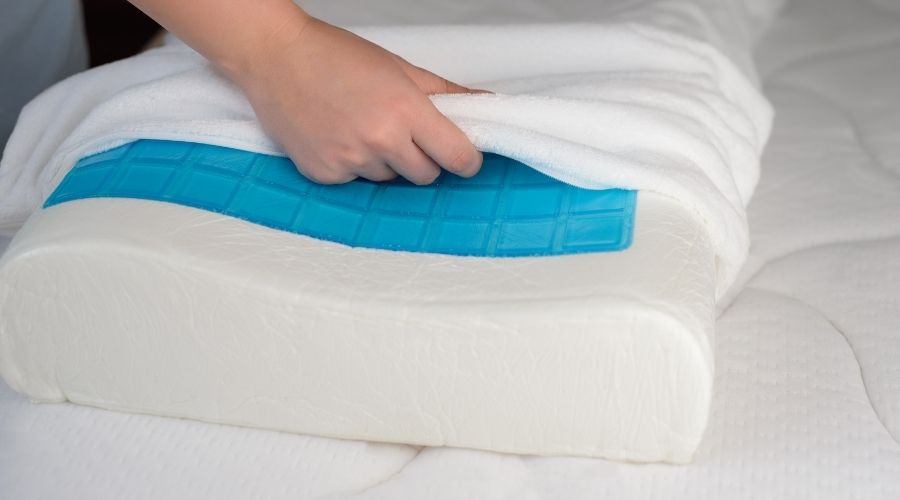
- Ideal for Warm Climates: This is a genuinely useful combination for a hot climate. It works exceptionally well for senior or heavier dogs that need deep support but also run warm.
- The Price Premium: The specialized gel layer adds extra cost on top of an already premium material.
- Durability Concerns: Some cheaper gel-infused products lose their cooling effect within a year or two as the gel breaks down. Because of this, checking user reviews regarding the longevity of the cooling effect matters more here than with plain foam.
Mesh Fabric
Mesh fabric is not a filling at all since it is usually paired with a frame, but it belongs in this comparison because of how often it shows up in elevated bed designs.
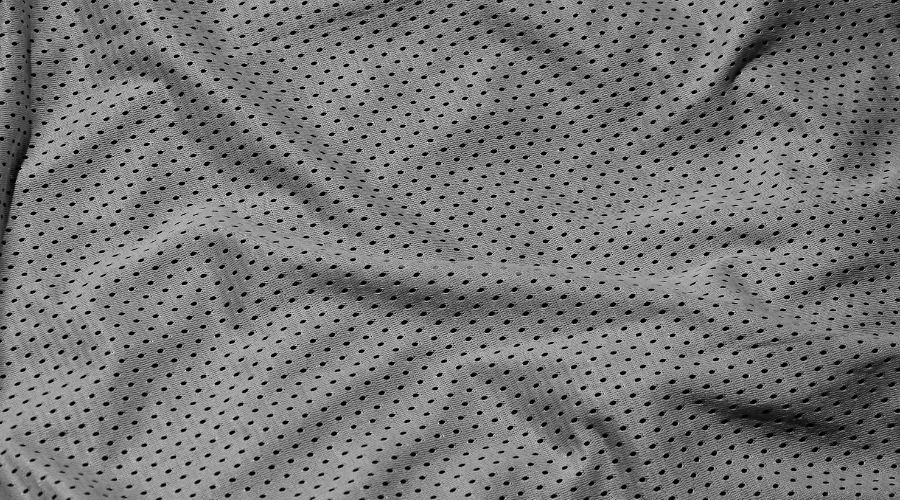
- Unmatched Airflow: Air moves through mesh in a way no traditional fabric or foam can match, keeping the dog cool throughout the day.
- Effortless Cleanup: The material dries almost instantly after getting wet, which makes cleaning and maintenance close to effortless.
- Zero Cushioning: On its own, mesh offers no padding. It only works as part of a raised cot design rather than as a standalone material, so a dog that wants something soft to sink into will need a different option entirely.
The Verdict
None of this makes one material universally right. A senior dog with joint pain still does better on memory foam despite the heat retention, especially with air conditioning running nearby. Check out this table if you need a quick summary:
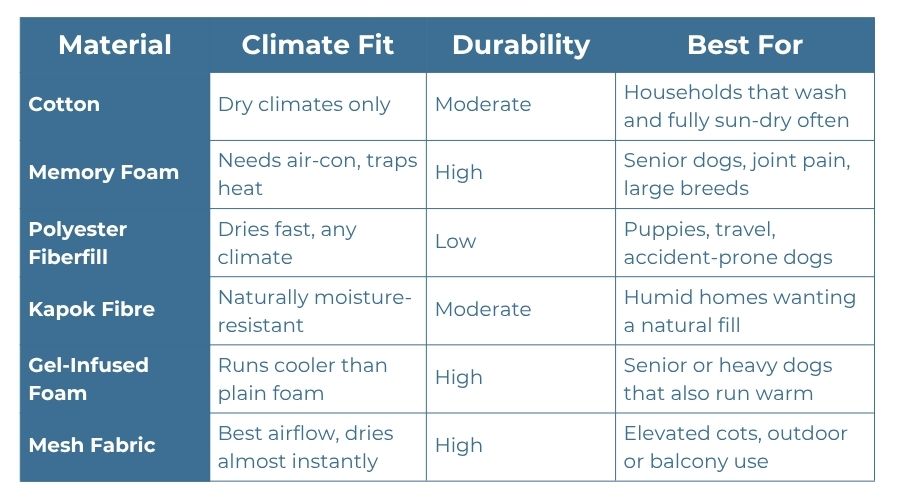
Overall, a dog prone to accidents, or living somewhere humid, holds up better on polyester or mesh, since both dry quicker than natural fibre.
Health Considerations by Life Stage
Puppies grow fast, so a bed meant to be replaced every few months makes more sense financially than an expensive one a puppy will outgrow in a season.
A waterproof or easily washable cover matters more than orthopedic support at this stage, since toilet training accidents happen almost every time.
Adult and active dogs generally do fine on mid range fiberfill or a lighter memory foam, since joints haven’t taken on the strain an older dog’s have.
Durability becomes the priority now, especially for a dog that digs or nests before settling down.
Senior dogs and dogs managing joint conditions get the most benefit from higher density memory foam. Bolster shape matters more than most owners expect too.
Expert guides to orthopedic dog beds point out that a dog with arthritis can struggle climbing into a bed bolstered on all four sides, and often settles in easier with three sided support and one open, low entry point.

On another note, allergy prone dogs also need a bed replaced more often than most owners assume. PetMD has reported that veterinary dermatologists see a rise in house dust mite allergen inside pet beds once a bed passes roughly a year of use, no matter how often the cover gets washed.
This is because allergens build up in the foam itself and not just the fabric layer. A washable cover helps, but doesn’t solve the problem on its own.
What Dog Owners in Online Communities Say

Pet owner forums and community threads turn up a fairly consistent set of gripes and praise, useful in ways product listings rarely are since owners report back after months of actual use.
Durability comes up constantly from owners of heavy chewers and diggers. Community consensus favours good stitching and tightly woven outer fabric over anything sold mainly on softness. A plush bed shredded within a week saves nobody money.
Washability ranks a close second, especially among owners dealing with humidity or heavy shedding. Another complaint targets beds offering only a removable cover, since the inner cushion keeps absorbing odour over time even with regular washing, matching what the allergen research above already points to.
Sizing complaints show up often enough to flag directly. Owners in different communities report beds running smaller than the listed dimensions suggest, especially with imported products where sizing charts don’t always translate cleanly.
Measuring a dog directly and comparing against the actual centimetre or inch figures, not just a label reading medium or large, avoids most of this headache.
Common Mistakes to Avoid When Buying a Dog Bed

- Buying based on how a bed looks in photos, skipping a real check of fill material and density
- Sizing based on breed averages, skipping a direct measurement of the actual dog
- Choosing a heavily bolstered bed for a senior dog with mobility issues, when a low entry design usually suits that dog better
- Skipping the washable cover feature to save a few dollars, then dealing with odour buildup within weeks
- Assuming a higher price automatically means better quality, without checking foam density or fill type directly
Final Thoughts

There’s no single correct dog bed. The right one comes down to shape, material, and support matched to how a specific dog sleeps, moves, and handles heat.
A puppy chewing through a first bed doesn’t need the investment a senior dog managing joint pain does, and a dog sprawled flat on tile every afternoon needs a completely different setup from one that burrows into blankets each night.
Start with how the dog actually sleeps and match the shape to that. Pick material based on age, health, and how much cleaning is realistic to keep up with.
Getting those two decisions right counts for more than any single feature claim printed on the packaging.



news via inbox
See our latest reviews of goods, conducted right here in Singapore.