Proudly Singaporean
Best Power Banks in Singapore
Once upon a time, a power bank was something you packed for a hiking trip or an overseas backpacking run, then forgot about until the next one.
That’s not how anyone here uses them anymore. Phones burn through battery by early afternoon between Telegram, TikTok, and Google Maps running non-stop on the MRT.
Laptops die mid Zoom call at a co-working desk in Tanjong Pagar. Even AirPods and smartwatches now compete for whatever’s left in the bank by evening.
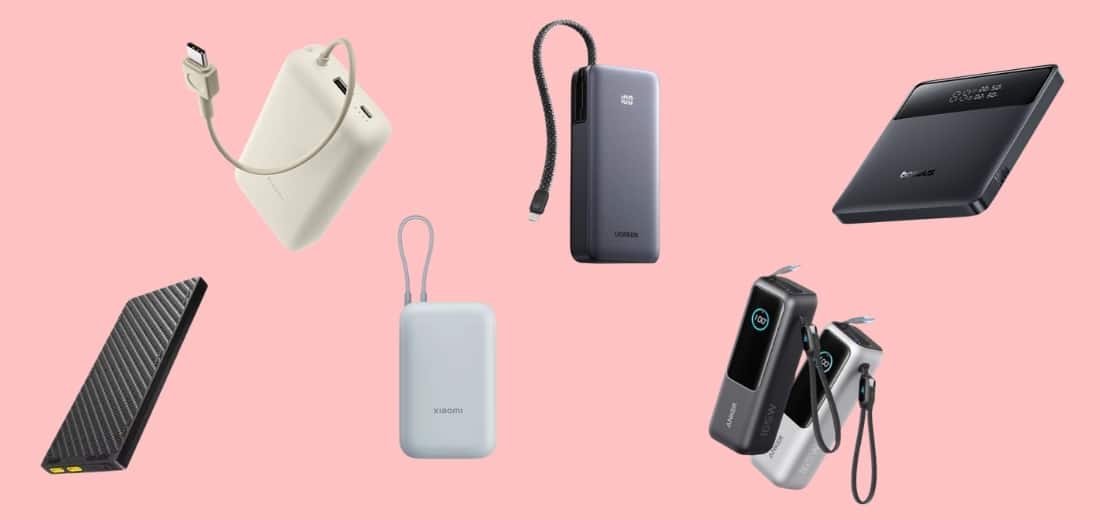
We went looking for the power banks that hold up to that daily grind, not the neater version a spec sheet imagines.
Our team bought six of the most searched models on Shopee, carried them through three weeks of ordinary life and judged them the way someone juggling a phone, a bag, and a coffee actually would.
A few things matter here that don’t show up on an overseas review site. Our weather is relentless and does something to lithium cells that a reviewer in a cooler, drier country never has to think about.
Our flats are smaller, so a “compact” charger needs to genuinely fit a sling bag, not just look neat in a product photo. And Changi’s flight rules mean the wrong power bank gets pulled at the gate, not just marked down in a review.
Here’s what actually held up.

How We Tested
Every power bank went through the same baseline run first, a full drain and refill cycle on a mid-range Android phone, timed with a USB power meter so the wattage claims on the box had something to answer to. From there we moved into real use.
- A full workday of laptop charging alongside phone top-ups
- Overnight charging left plugged in through a shared room
- A weekend trip through Changi, including the walk through security
- A rainy week with the bank sitting in a bag rather than tucked away dry
A few things mattered more to us than they would to a reviewer testing somewhere cooler, drier, and with more storage space to spare.

How this review is localised for Singapore
Flight rules
Every pick here sits comfortably under the 100Wh limit airlines enforce out of Changi, so none of them risk getting pulled at security.
Humidity and heat
We left each unit somewhere warm and slightly damp for a stretch, a common fate for anything living in a non-airconditioned bag or a storeroom, and watched for swelling, slow charging, or a battery percentage that dropped faster than it should.
Small living spaces
Not every home here has a drawer to spare for gadgets. We judged footprint the way someone sharing a room or a small flat actually would, cables and all.
MRT and hawker centre life
Singapore runs on quick charges between stops, not long sit-down sessions. We paid attention to how fast each bank could put back twenty or thirty percent, since that’s usually all the time anyone gets.

Finding the right power bank for you
Best Overall: UGREEN Nexode 20000mAh 45W

Why We Chose It
UGREEN claims this bank can recharge an iPhone 16 about 4.2 times and a MacBook Air roughly 1.3 times.
Our numbers landed close to that on the phone side, a touch lower on the laptop side since most laptops in daily use rarely start from a completely empty battery anyway.
The built-in cable sounds like a small thing until you’re the one holding a bag, a coffee, and a phone at the same time, and suddenly not needing to find a cable matters a lot.

Key Specifications
- Capacity 20,000mAh, around 74Wh
- USB-C output up to 45W, plus a built-in USB-C cable and a USB-A port
- Three ports total for charging multiple devices at once
- LED display showing remaining charge
- Weighs around 340g
Pros
- Built-in cable means one less thing to pack
- LED display actually tells you something useful at a glance
- Handles three devices without a noticeable drop in speed
- Well within Changi’s 100Wh flight allowance
Cons
- Only one port hits the full 45W at a time
- Heavier than a basic 10,000mAh bank, noticeable in a small sling bag
- Costs more than most no-name alternatives on Shopee

What Singaporeans Say
Reviews on Shopee sit around 4.8 to 4.9 out of 5, with buyers pointing to the built-in cable and the display as the two features that get used daily instead of ignored after the first week.
Things to Consider Before Buying
If you mostly charge one phone a day, this is more bank than you need, and a 10,000mAh model saves you money and weight. It earns its price once you’re actually using the multiple ports and the higher wattage regularly.
Best Budget: Xiaomi Mi Power Bank 3 10000mAh 22.5W
Why We Chose It
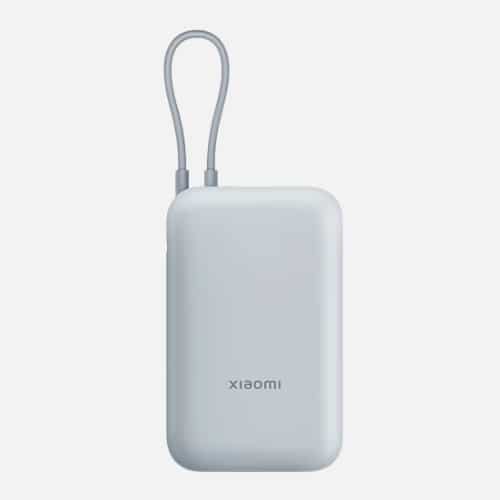
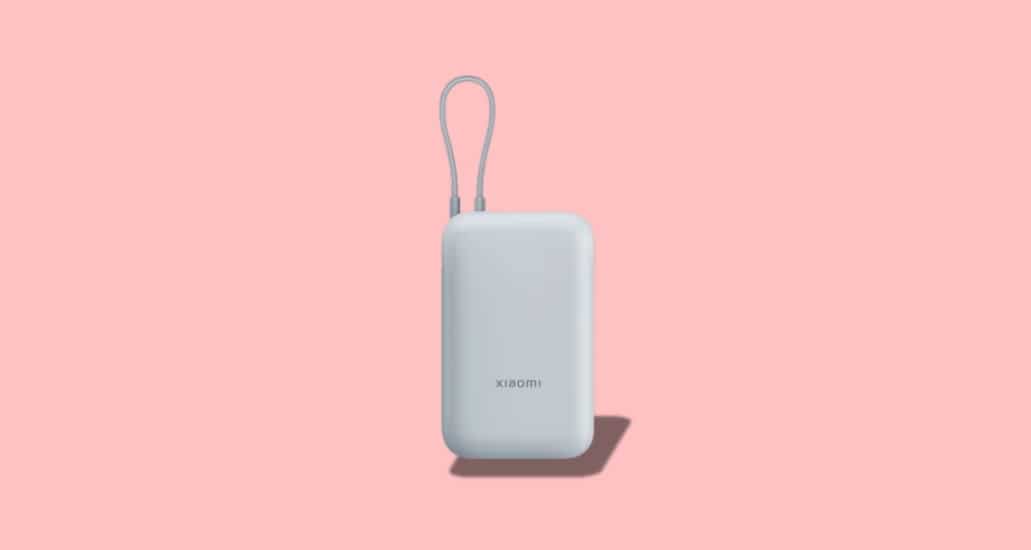
Xiaomi’s name carries real weight in Singapore, and this unit backs it up without charging a premium for the badge.
Two output ports mean two phones can charge together, and the metal-flecked plastic shell feels sturdier than the price suggests. It also refills itself in around three and a half hours on a compatible charger, so the downtime between uses stays short.
Key Specifications
- Capacity 10,000mAh, around 37Wh
- USB-C output up to 22.5W, USB-A output up to 22.5W
- One USB-C and one USB-A port
- Weighs around 200g, roughly 90 x 64 x 24mm
- Sits well under the 100Wh flight limit
Pros
- Genuinely cheap without feeling cheap in the hand
- Fast enough charging for a budget bank
- Small enough to disappear into a bag pocket
- Backed by a brand most Singaporeans already trust
Cons
- 10,000mAh runs out fast on a heavy device day
- No display, no built-in cable, no extras
- Slightly wider than some other 10,000mAh banks

What Singaporeans Say
Shopee ratings hover around 4.8 to 4.9 out of 5, and most of the feedback simply confirms it charges reliably day after day, exactly the reputation you want from a budget pick.
Things to Consider Before Buying
This isn’t the bank for someone charging a laptop or running multiple gadgets all day. Treat it as a backup for a phone and maybe a second small device, and it does its job without drama.
Best for Compact: Nitecore NB10000 Gen3
Why We Chose It
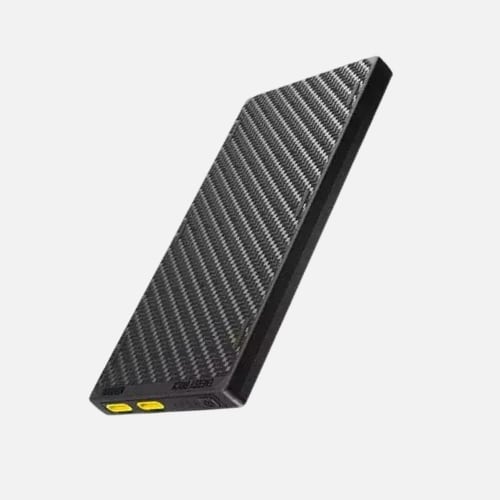
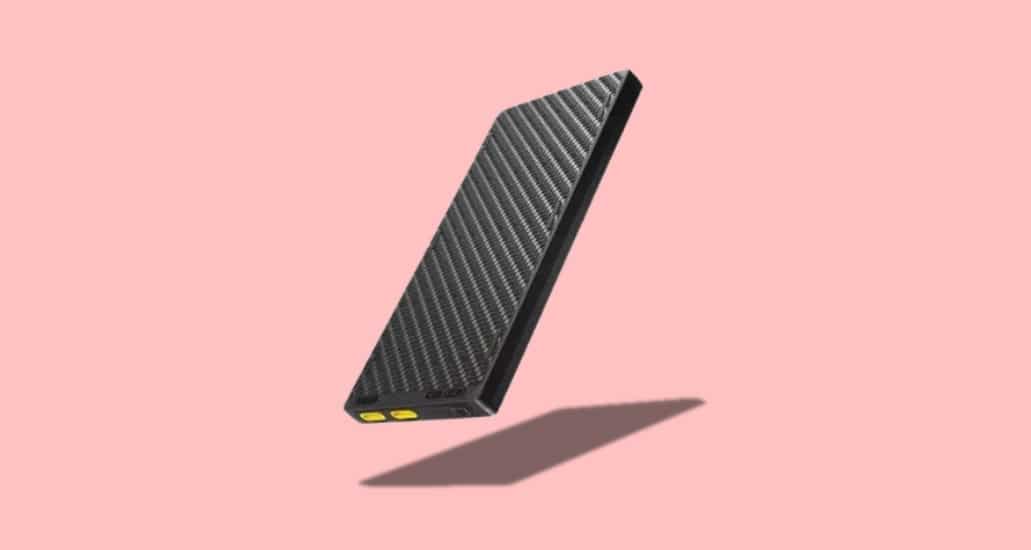
Nitecore builds this about 29 percent lighter and 24 percent slimmer than a typical bank at the same capacity, and that difference is obvious the moment you hold it.
We charged a camera and a phone from it at the same time on a cycling trip round East Coast Park and neither device slowed down.
Pass-through charging means you can top up the bank and your phone together, useful the moment you’re stuck with one power outlet and two dying batteries.
Key Specifications
- Capacity 10,000mAh, around 38.5Wh
- Two USB-C ports, each up to 22.5W
- IPX5 splash resistance
- Weighs around 150g, roughly 122 x 59 x 11mm
- Supports pass-through charging
Pros
- Genuinely pocket-sized for its capacity
- Both ports run at full speed simultaneously
- Splash resistance suits Singapore’s sudden downpours
- Solid, premium build quality
Cons
- Priced high for a 10,000mAh bank
- No USB-A port and no built-in cable
- Capacity ceiling means it isn’t built for a full day of laptop use

What Singaporeans Say
Shopee reviewers rate it close to 4.9 out of 5, with the size-to-power ratio coming up again and again as the reason buyers picked it over cheaper, bulkier options.
Things to Consider Before Buying
You’re paying for portability here, not raw capacity. If you want more charges for less money, a bigger unit serves you better and costs less per mAh.
Best High-Capacity: Anker 25K Laptop Power Bank A1695
Why We Chose It
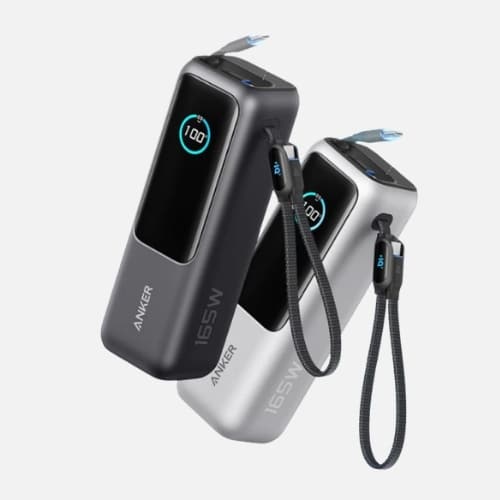
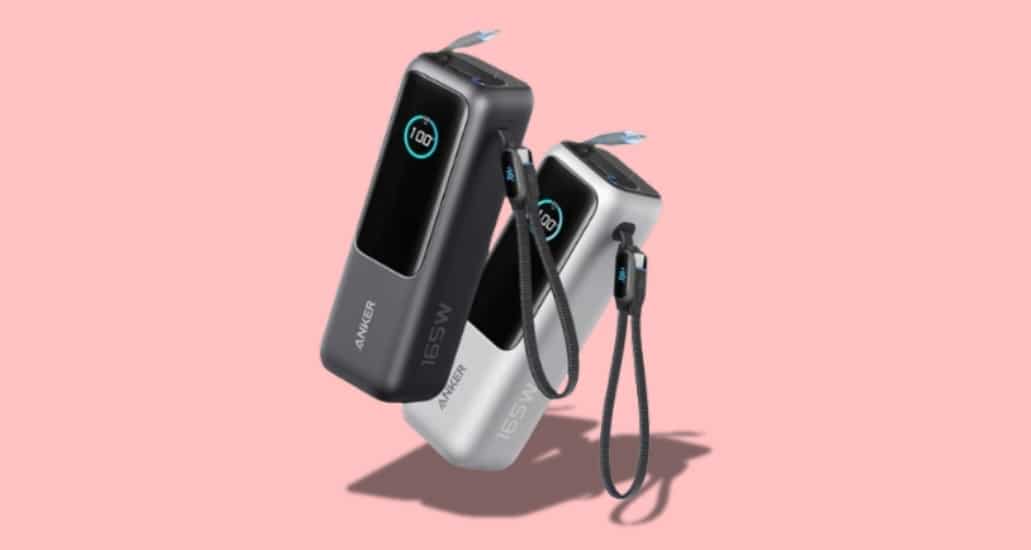
Anker rates a single port at up to 100W, enough to take a 13 inch MacBook Air from flat to half charged in around 30 minutes on our test, matching what the brand claims.
The retractable cables remove the most common reason people forget their charger, and the live display showing real-time output makes it easy to check status without guessing.
Key Specifications
- Capacity 25,000mAh, around 92.5Wh
- Two built-in USB-C cables at 60W each, plus a third USB-C port
- Total output up to 165W, up to 100W on a single port
- USB-A port adds a fourth charging option at 33W
- Weighs around 595g
Pros
- Enough power and ports for a genuine multi-device trip
- Fast enough to matter for laptops, not just phones
- Real-time display takes the guesswork out of monitoring charge
- Built-in cables mean fewer things to lose
Cons
- Heavy, this lives in a backpack, not a pocket
- Sits close enough to the 100Wh limit that it must go in hand luggage, not checked
- Premium pricing reflects the premium capability
What Singaporeans Say
Ratings sit around 4.8 out of 5 on Shopee, with buyers most often mentioning that it kept a laptop and phone running through an entire flight or work day with no wall socket needed.
Things to Consider Before Buying
This only makes sense if you’re actually charging more than one device regularly. For a single phone, it’s an expensive way to solve a problem a much smaller bank already handles.
Best for Laptops and Multiple Devices: Baseus Blade 100W Laptop Power Bank 20000mAh

Why We Chose It
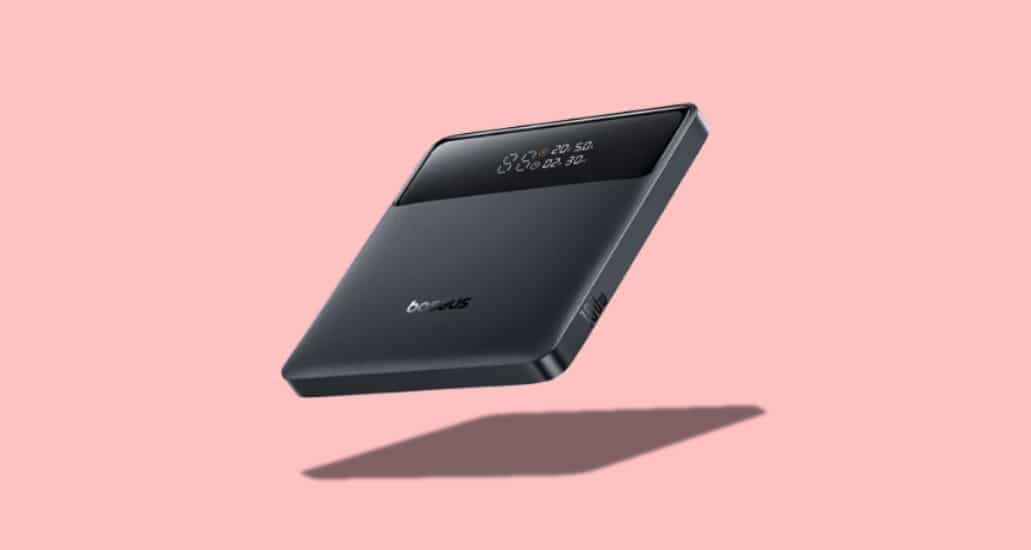
Most laptop-rated power banks stop at 60W. This one goes to 100W on its main port, covering heavier laptops that a lot of “laptop compatible” banks technically can’t.
The aluminium shell keeps it slim despite the extra hardware inside, and the two-way fast charging means the bank itself refills quickly once it’s plugged in.
Key Specifications
- Capacity 20,000mAh, around 74Wh
- USB-C1 up to 100W, USB-C2 up to 45W
- Two USB-A ports at 18W each
- OLED display for battery and wattage
- Weighs around 380g
Pros
- 100W port handles pro-level laptops, not just entry models
- Four ports without a noticeable speed penalty
- Slim profile for how much hardware it packs in
- Refills quickly thanks to two-way fast charging
Cons
- Heavier than most 10,000mAh phone-focused banks
- No wireless charging, though rare at this size anyway
- USB-A ports cap at 18W, slower than the USB-C side
What Singaporeans Say
Shopee reviews land around 4.9 out of 5, and the 100W port comes up constantly as the reason buyers chose it over cheaper laptop banks that quietly cap out much lower.
Things to Consider Before Buying
If your heaviest device is a phone, this is overkill, and a smaller bank saves you both money and weight. It earns its keep specifically for people juggling a laptop and several smaller gadgets in one bag.
Best Travel: Xiaomi 33W Power Bank 20000mAh Integrated Cable
Why We Chose It
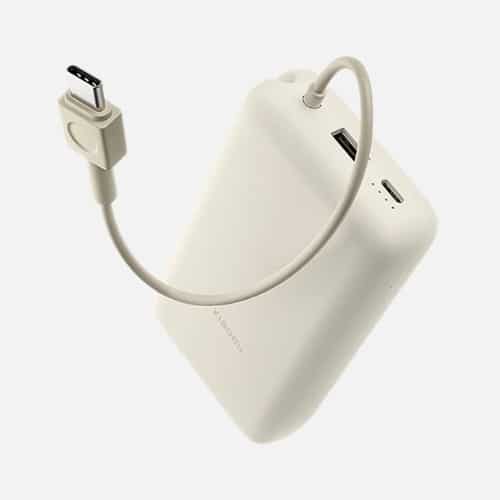
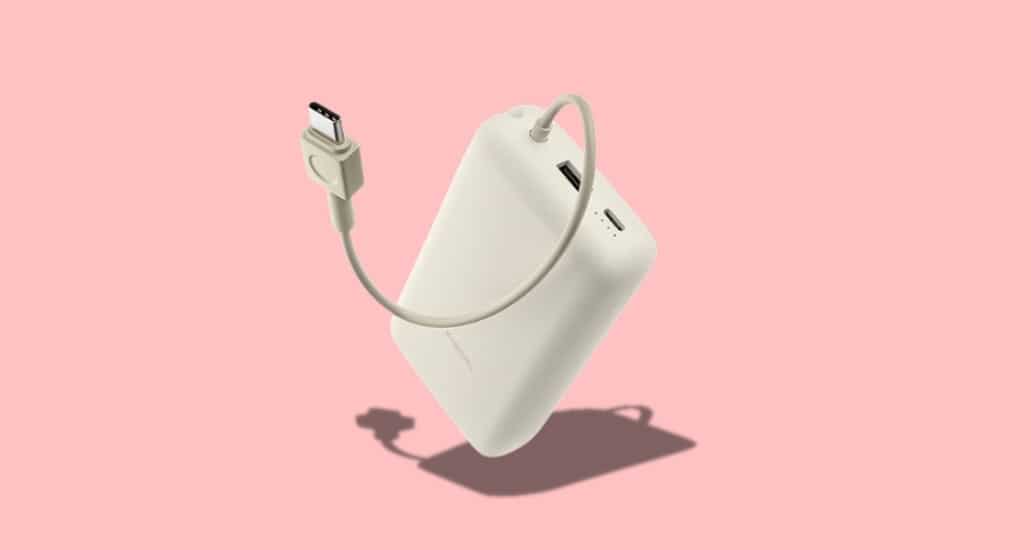
The integrated cable is the whole point here. Digging through a bag for the right cord at a departure gate gets old fast, and this removes that entirely.
The 33W USB-C port is genuinely quick for its size, and the compact footprint makes it noticeably easier to carry than a raw 20,000mAh bank without a built-in cable.
Key Specifications
- Capacity 20,000mAh, around 74Wh
- USB-C output up to 33W, plus a built-in USB-C cable and a USB-A port
- Three charging options from one unit
- Dimensions around 127 x 70.5 x 30.5mm
- Sits comfortably under the 100Wh flight limit
Pros
- Built-in cable solves the one thing travellers always forget
- Genuinely fast 33W charging for the size
- Three devices can charge off one unit
- Well under airline weight and capacity limits
Cons
- Heavier than a basic 10,000mAh travel bank
- All three ports share the same 33W ceiling, so charging all at once slows each one down
- Integrated cable needs a bit of care to avoid strain over time
What Singaporeans Say
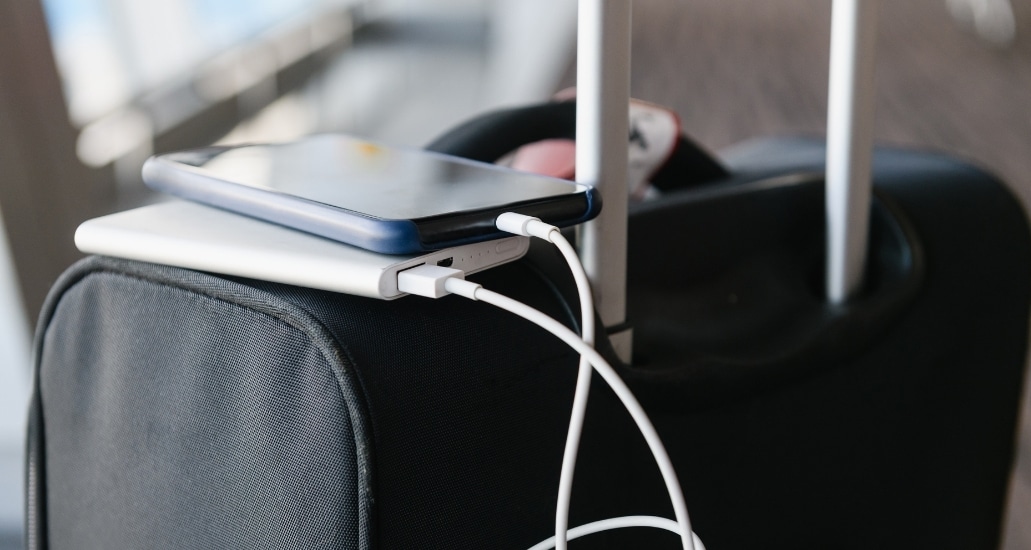
Ratings sit around 4.8 out of 5 on Shopee, with frequent flyers specifically calling out how little space it takes up in a carry-on compared to older 20,000mAh models.
Things to Consider Before Buying
If you rarely fly and mostly charge at home, the built-in cable matters less, and a cheaper high-capacity bank does the same job for less money.
Before You Buy
A few things worth sorting out before anything goes into your cart.
- Check the actual Wh rating, not just the mAh number. Airlines care about watt-hours, and anything over 100Wh needs special approval or gets left behind at Changi.
- Weigh humidity into your decision. A power bank that lives in a bag through Singapore’s wet season needs decent build quality, not just a good spec sheet.
- Be honest about how many devices you actually charge at once. Multi-port, high-wattage banks are genuinely useful, but plenty of buyers pay for four ports and only ever use one.
- Buy from an official brand store or an authorised reseller on Shopee. Warranty claims and replacements go far smoother than with a random third-party listing.
Whichever one you end up with, the difference between a good power bank and a forgettable one shows up fastest on the days you need it most, stuck on a delayed train or halfway through a flight with fifteen percent battery left.
Most people here end up carrying two, a small one for daily errands and a bigger one for trips, and that combination covers almost everything Singapore life throws at a phone.

news via inbox
See our latest reviews of goods, conducted right here in Singapore.